Author Archive

When setting up your Facebook business page, you might notice the URL (your username) that is assigned to you is long and doesn’t at all speak to your actual business name. What does this mean to you as a business owner?  It means it’s going to be difficult for people to remember it (you). The initial URL that Facebook assigns a business page includes a variety of numbers after the url (like this) https://www.facebook.com/112266777. You can see that the originally assigned URL has nothing to do with your business. This makes it very difficult for people to find your Facebook page or to be able to tag you in posts. And, if you don’t have a website (which is a whole other blog) and want to give your Facebook info to someone, it will be very hard for you and them to remember. AND… don’t even try and put it on printed materials! It won’t look good at all!

The Good News:

Facebook has an option for creating a shorter, cleaner version of your URL; a custom Facebook business page URL (or, as Facebook calls it, a username). And, while Facebook does have some guidelines for your username, it’s an easy process to obtain a username of our choice OR change your existing username to something memorable. It should definitely be something that reflects the name of your business.

Having a custom Facebook business page URL (username) is an important step in getting you closer to using your social media to the fullest. Choose a username that is as close to your business name as possible so people will remember it easily and will also be able to find you when they search for you or want to tag you. Having an easy, memorable username makes it easier for people to like, follow, share and even possibly become a new customer!  With billions of Facebook users, names get taken quickly, especially if it’s common. If you currently have a Facebook username that is all numbers, or is not remotely close to your business name you can (and should) request a change. Here’s how you do it:
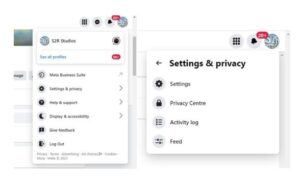
facebook name creation

From there, you can EDIT your username. If it is available you can save it and you are good to go. If it’s not available, you will have to pick another.


To SET UP your custom Facebook custom URL for the first time, follow these guidelines:

  • Go to your business pages Professional Dashboard on the left.
  • Then click on Overview.
  • Click on the right; Your Pages Identity
  • Then click on Create a Page Name
  • Enter your desired custom username
    If the username is available click Create Username. If it is taken, pick another name.

It takes only a few moments to change the trajectory of your Facebook engagement! If you need help, give us a call!

In the ever-evolving digital landscape, social platforms have become a cornerstone of modern communication, connecting people from all over. However, despite the apparent similarities, each social platform has a distinct community with unique preferences, behaviors, and interests. Successful marketers understand that a one-size-fits-all approach does not work when it comes to online platforms. Let’s delve into the importance of tailoring your online marketing strategies to fit the diverse audiences of various social platforms.

Recognize Platform-Specific Demographics:

The first step in effective social media marketing is understanding the demographics of each platform’s users. For instance, Facebook typically attracts an older audience, while platforms like TikTok and Snapchat are popular among younger generations. LinkedIn, on the other hand, caters to professionals and businesses. By recognizing these differences, you can customize your content to resonate with the preferences and expectations of each platform’s users.

Craft Relevant Content:

Different social platforms prioritize different types of content. Instagram revolves around visual storytelling, Twitter favors industry authorities and timely updates, and YouTube on video content. To maximize engagement and reach, tailor your content to match the format that best suits the platform you’re using. This ensures that the message remains consistent while you cater to the unique preferences of each audience.

Embrace Communication Styles:

Social platforms have varying communication styles too. LinkedIn encourages professional networking and business-oriented conversations, while Instagram thrives on visually appealing, casual interactions. Tailoring the tone and language of marketing messages to match these nuances is essential to build genuine connections with users.

Timing is Everything:

The timing of posts can significantly impact engagement rates on social media. The ideal posting schedule varies from one platform to another due to differences in user activity. By analyzing platform-specific data and insights, you can optimize your content release times to reach the largest portion of your target audience.

Utilize Platform Features:

Each social platform provides unique features and tools that can further your marketing efforts. For example, Instagram offers Stories and Reels, while Twitter has polls and trending hashtags. Understanding and leveraging these features will allow you to creatively engage with audiences and stand out in a sea of content.

Build Authentic Relationships:

Authenticity is the cornerstone of successful social media marketing. Different platforms foster distinct levels of authenticity, with some encouraging highly curated content and others embracing a more raw and unfiltered approach. Adapt your strategies to align with the authenticity expectations of each platform’s users.

Summary:

In the realm of social media marketing, acknowledging the diversity of audiences across various platforms is your key to online success. A one-size-fits-all approach will fail to resonate with users and may even alienate potential followers or customers. Recognize unique demographics, communication style, and content preferences of each social platform. Tailor your messages and strategies accordingly and build more meaningful connections with your target audiences. Embrace diversity in social media for an opportunity to tap into the vast potential each platform has to offer.

The expression “the customer is king” might date back to the early 1900’s, but it’s never been more relevant than today.

If someone isn’t happy with their experience, product, or price a company charges, endless options are just a click away.
And, they can easily tell LOTS of others about their dissatisfaction.

So how can businesses meet today’s customer expectations?

  1. Deliver personalized experiences. Because, not every type of consumer responds to the same thing. It’s up to you to find out who your potential customers are, and then deliver different types of experiences based on the information you collect. You may find that you have two strong demographics. They enjoy different things, come from different backgrounds, have different incomes, etc. There is plenty of statistics that you can get from your social posts and website that tell you exactly who is interested in what you offer.
  2. Customers are constantly moving across different social platforms. About 80% of people say they typically switch between online search, social media and video when researching products that they want or need. And, expectations are high! Businesses have to create a seamless experience across all these platforms, and they all need to end up in one place…your website. There is where potential customers should land, find the most info, and be asked to contact or buy.
  3. Consumer expectations have evolved. Take yourself, for instance. You probably go to YouTube more often than ever before for product reviews, to learn about a product you’re thinking of purchasing, and to even get an idea of the brands legitimacy. In fact, about 70% of shoppers say they’re open to learning about products and brands on YouTube, and they actually do!

It’s important to keep up with the times.

Your potential customer just might go somewhere else, like your competitor, if they don’t get the experience that they require to make an informed purchasing decision.

Your customer is king! Don’t let them get away!


You publish a post to your blog or website. Then you copy and paste that link to the post across Twitter, LinkedIn, and Facebook. With a few clicks, you put your new content in front of a large, diverse audience. Great strategy right? Not exactly.

Each social media channel has users that exhibit vastly different behavior and preferences for content. As such, you should optimize each social media posting according to the channel you’re posting in. It takes a bit more time, but it’s worth it. But how do you know how to promote for different channels?

Know your social media channels: Follow these guidelines for each social media channel:

Twitter: Short, snappy excerpts of interesting articles, or eye-catching images. Perfect for news and trending topics. Twitter is for the authority on specific subjects.

Facebook: Think social sharing. What will people want to share with their friends? Evoke emotions with clever headlines and short descriptions. Make people want to share what you have to say. And, share among each other.

LinkedIn: Caters to a professional audience. Shine the spotlight on your content to demonstrate usefulness to like-minded individuals and businesses.

Instagram: All about the visual. Your content should have a strong visual component to match your content. If your content does not necessarily have a visual component, create one.

Pinterest: Like a blend of Instagram and LinkedIn. It’s about the visuals, but also focuses on how-to, DIY, and practical advice so people will want to pin your post, which in essence is sharing it.

Post on Your Google Listing: Do you know that you can post on your Google listing? Posting regularly on your Google listing will increase your search results over Google platforms. Google loves when you use their products, and they will reward you for it. Like with all other social media platforms be consistent.

Create a Posting Schedule: Just as it’s tempting to blast your social media channels with the same exact post, you may be tempted to share your post to every channel at once. Instead, consider staggering your content sharing on each social media channel by a couple of days or so to maximize effect. Or, better yet, spend the time to create pertinent posts for each social platform.

Experiment and Optimize Posting: As with any marketing effort, you should be experimenting and optimizing with the frequency and timing of your content sharing. As you build a following, finding the right time to post on social media can make huge differences in the amount of traffic your content gets. There are analytics especially on Facebook that tell you when your fans are online. These are the times to get the most people to engage with your posts.

Track Engagement of Posts: It’s important to look at each post as it’s running, and when it is completed to see if it’s working. Is it getting shared? It is getting engagement? And, if you spend money on ads across social media platforms, make sure you check out the analytics for each ad to see if what you’re spending justifies the money spent. If not, change it up. Concentrate on being interesting, informative, and not too long winded. A good graphic, an interesting video, and a short, clever post will get the attention of those that are just scrolling through.

In business, there are inevitable peaks and valleys throughout the year. Slow months, characterized by reduced consumer activity and sluggish sales, can be a challenge for many businesses, especially small ones. It’s during these times that some will consider cutting back on their advertising to save money. However, this approach may not be the best decision. So, why is it so crucial to keep your advertising going even during slow months of the year?

Maintain Brand Visibility:

One of the main reasons you should maintain your advertising during slower months is to preserve your brand visibility. Consistent exposure to your target audience helps solidify your brand’s presence in their minds. You want to keep your (TOMA) Top of mind awareness in the market so when someone thinks about a particular product or service they need or want, it’s YOUR name they think of first. By consistently keeping your name out there during slower periods, you can ensure that your brand remains relevant and memorable when the market picks up again. We all know it will.

Capitalize on Opportunities:

During slower months, there’s a chance that some of your competitors may decide to reduce or stop their advertising. This creates an opportunity for you to grab the market share left behind. By maintaining your presence, you can attract new customers who might be looking for alternatives due to reduced marketing from your competitors.

Build Customer Loyalty:

Advertising is not just about attracting new customers; it’s also about nurturing existing ones. Consistent advertising allows you to communicate with your loyal customers, reminding them of your value, new products, or any special promotions you may have. It strengthens the bond between your brand and your customers, and greatly increases the likelihood of repeat business and word-of-mouth referrals.

Brand Building:

Building a strong brand is a gradual process that requires continuous effort. Consistency is key to building trust and credibility in the marketplace. Even during slower months, your advertising can contribute to long-term brand building. When your target audience repeatedly sees your brand message, they’re more likely to see it as reliable and established.

Momentum for Busier Months:

Maintaining your advertising during slow months can help keep the momentum going when the busier months arrive. If you stop your marketing efforts during the off-peak months, it might take time to regain traction and reconnect with your target audience once business picks up again. By consistently engaging with your audience, you can pick up from where you left off and hit the ground running when the demand increases.

 SUMMARY:

The importance of keeping your advertising going during slow months will serve you well. By doing so, you maintain your brand visibility, can capitalize on opportunities, build customer loyalty, and contribute to long-term brand building. Remember, your advertising is an investment in your brand’s and your business for now and in the future. Keeping it active during slow months will yield valuable returns in the long run.


In the fast-paced digital landscape, the role of social media in business has become more crucial than ever. Let’s explore the indispensable importance of incorporating social media into your business strategy headed into a new year.

Social Media Mastery

The significance of social media for businesses has reached new heights. No longer just a supplementary aspect of marketing, social media has become a vital tool for establishing brand identity, forging customer relationships, and driving business growth. Let’s take a look at the compelling reasons why your business can’t afford to overlook the power of social media.

Enhanced Visibility and Reach

In the ever changing and ever growing digital era, having an online presence is no longer optional; it’s a necessity. Social media platforms offer businesses a global stage to showcase their products or services. With millions of users scrolling through their feeds daily, the potential reach is unparalleled. Through strategic content and engagement, businesses can amplify their visibility and make a lasting impression on potential customers.

Authentic Connection with the Audience

Social media provides a direct channel for businesses to humanize their brand, share behind-the-scenes glimpses, and engage in real conversations with their audience. This authenticity builds trust, loyalty, and a sense of community, transforming casual followers into dedicated customers.

Data-Driven Decision Making

The amount of data that is available on social media platforms is a goldmine for businesses. Leveraging analytics and insights is not just an option; it’s a strategic must have. By understanding user behavior, preferences, and engagement patterns, businesses can fine tune their strategies, optimize content, and make informed decisions to stay ahead of the competition.

Marketing ROI and Conversions

Social media platforms offer sophisticated advertising tools that enable businesses to target specific demographics. Successful businesses will be those that understand the dynamics of social advertising and optimizing campaigns for maximum return on investment. From awareness campaigns to lead generation, social media is a versatile tool that can significantly impact your conversions and your following.

Agility in a Rapidly Changing Landscape

The present business landscape is evolving at an unprecedented pace, and social media provides a dynamic platform for businesses to adapt and grow. Whether it’s embracing new trends, responding to customer feedback, or participating in viral challenges, businesses that exhibit agility on social media are better positioned to navigate the ever-changing currents of the digital world.

Embrace the power of social media – your business’s success depends on it.

The year 2025 will have us taking a comprehensive and more dynamic approach to business. Social media is at the forefront of this evolution with transformative power that enhances brand visibility, connection with your target audience, drives conversions, provides exceptional customer support, and stays ahead of industry trends. Embrace the social media wave – it’s not just a trend. It’s here to stay. Use it to your advantage. If you need help sorting it all out, give us a call. S2R Studios are digital marketing pros that can help take your business to the next level.

In today’s competitive music industry, it’s more important than ever to have a strong brand. A well-crafted identity (brand) will help you stand out from the rest, connect you with your target audience, and help build a loyal following.

It’s all about creating an image. An identity. A signature that stands out and gets results.

So, what exactly is branding?
And, how can you create a strong brand for your music business?

Branding is the process of creating a unique identity for your business. It involves developing a name, a logo, and visual style that reflects your music, your personality and your overall message. A strong brand helps you connect with your target audience and create a lasting impression.

Here are a few tips on how to build your brand:

  1. Start with your music. Your music is the foundation of your brand. So, it’s important to make sure it’s something you’re proud of and that represents you well. If you’re not sure where to start, consider taking some time to experiment with different genres and styles until you find something that feels authentic to you.
  2. Develop a strong visual identity. Your logo, website, social media, and other marketing materials should all reflect your brand identity. Choose colors, fonts, and images that represent your music and your personality in one cohesive message. Yes… if you’re trying to brand yourself and your business, ALL of this plays a key part. 
  3. Tell your story. People connect with stories, so don’t be afraid to share yours with your audience. What made you start playing music? What inspires you about making music? What are your goals for your music career? What do your songs mean to you? Sharing your stories will help people connect with you on a more personal level, making them more likely to support you and your music.
  4. Be consistent. Once you’ve developed your brand, it’s important to be consistent with your messaging and branding across all channels. This means consistent colors, fonts, and images on your website, social media, and marketing materials. It also means staying true to your brand voice and message in all of your communications.
  5. Be authentic. The most important thing is to be authentic. People can spot a fake from a mile away, so don’t try to be someone you’re not. Be true to yourself and your music, and your fans will appreciate it.

Branding is an ongoing process. It takes constant effort and creativity to show yourself and your music in the way you want to be portrayed. Don’t expect to create a perfect brand overnight. It takes time, commitment and knowledge.

We work with all types of musicians to help them develop their brand. From website design, to social media management to video editing, demo and press pack production and more! If you need help putting it all together We’re not only web designers and online marketers, we are musicians! We can help you discover your brand. Give us a call!


Your logo and branding creates the identity of your business.

It should communicate what your business is about faster and better than any other form of advertising. Also, what it looks like should invoke a good feeling about doing business with you. It should make your business instantly recognizable and create top-of-mind awareness.

 Branding your business is key for success in a competitive marketplace. A strong brand helps you stand out from the crowd, attract new customers, and build loyalty you’re your existing ones.

Here are some ways that you can brand your business:

  1. Define your target audience. Who are you trying to reach with your brand? Once you know who your target audience is, you can tailor your branding to appeal to them.
  2. Create a strong identity. A memorable one… a lasting impression. Your identity is all the things that make your brand unique, like your logo, colors, fonts, and tone of voice. Make sure your brand identity is consistent across all of your marketing materials and social platforms.
  3. Tell your story. What makes your business different from the competition? What are you passionate about? How do you work? Your brand story should be authentic and engaging, and it should most importantly resonate with your target audience.
  4. Be consistent. Once you’ve defined your identity and your story, make sure you’re consistent with them across all of your marketing materials and channels. This will help create a strong and recognizable brand.
  5. Measure your results. It’s important to track the results of your branding efforts so you can see what’s working and what’s not. This will help you make necessary adjustments to your branding strategy over time.

Branding your business is an ongoing process, but it’s one that’s worth the effort. By following these tips, you can create a strong brand that will help you achieve your business goals.

Additional tips for branding:

  • Use social media to connect with your audience. Social media is a great way to build relationships with your target audience and to share your story.
  • Get involved in your community. Sponsor local events, donate to charities, and get involved in local organizations. This will help you build goodwill and support. It will also gain you top-of-mind-awareness. When someone needs the services you offer, they will remember you!
  • Partner with other businesses. Partnering with other businesses can help you reach a wider audience and grow your brand.
  • Attend industry events. Attending industry events is a great way to network with other businesses and learn about new trends.
  • Stay up-to-date on the latest branding trends. The world of branding is constantly evolving, so it’s important to always be “in the know.”

Work on your brand identity consistently (every day). Use these tips. A strong and memorable brand will ultimately help you achieve your goals.

Need help? We’ll be your brand whisperers!  Your entire digital footprint- from your logo to your website and everything in between needs to work together. We will help you have a well-rounded, strong brand that will work for you! Call us today.

We focus on creating a logo and branding for your business that gives you an identity no one can match! It’s all about creating an image. A lasting impression. A signature that stands out and gets results.