Archive for the
‘Social Media’ Category

Linking to other businesses and brands is a normal part of modern marketing. In fact, strategic partnerships and cross-promotion can help companies grow faster than they could alone.

But there’s a big difference between:

✅ linking to another company on your website
and ⚠️ linking to another company in your Facebook posts.

They may look similar (“it’s just a link”), but they work very differently — and they affect your brand, reach, and customer behavior in completely different ways.

Let’s break it down.

  1. Your Website Is “Owned Space” — Social Media Is “Rented Space”

Your website is your digital home. You control:

  • what users see
  • how long they stay
  • what they click next
  • what actions you ask them to take
  • branding, layout, messaging, and customer journey

So, when you place a link on your website to a partner, supplier, sponsor, or trusted resource, it’s usually intentional and controlled. You’re guiding visitors in a way that can add credibility and build trust.

Example:
A landscaping company links to the manufacturer of the lawn equipment they use.
That makes sense. It supports expertise. It shows transparency.

Facebook is different.

Facebook is not your platform — it’s an algorithm-controlled feed designed to keep users scrolling. When you post a link on Facebook, you’re basically playing by Facebook’s rules.

  1. Website Links Build Authority — Facebook Links Often Reduce Reach

On your website:

Linking to credible, relevant sources can:

  • show professionalism
  • strengthen trust with customers
  • improve SEO when done strategically (especially if you’re linking to authoritative resources)
  • make your business look connected and established

Website links can act like “proof” that your company is part of a bigger ecosystem.

⚠️ On Facebook:

Facebook generally dislikes posts with outbound links because they send people off the platform. That can lead to:

  • reduced visibility
  • lower engagement
  • fewer people seeing the post in the first place

That’s because the Facebook algorithm wants users to stay on Facebook. If your post encourages people to leave, Facebook is less likely to show it to others.

So linking another company in a Facebook post can unintentionally:

  • weaken your distribution
  • make the post “underperform”
  • waste your marketing efforts
  1. Website Links Support the Customer Journey — Facebook Links Interrupt It

Your website is built for conversion. A visitor is already in “business mode.”

A Facebook user is in “feed mode.”

On your website, linking to another company can be part of a thoughtful customer experience:

  • “Learn more about our supplier”
  • “See the partner warranty policy”
  • “View this certification”

Those links can support confidence and decision-making.

On Facebook, a link to another company does something else:

It gives your audience a “doorway” to leave your page — and possibly never return.

Once someone clicks out, they might:

  • get distracted
  • follow the other company
  • engage with their content (and more importantly buy from them not you)
  • forget about your original post
  • stop scrolling your page entirely

You’ve now traded attention to your brand for attention to theirs.

  1. Social Media Is About Brand Memory — Not Traffic Leaks

Your Facebook presence should mainly focus on:

  • building familiarity
  • showcasing your work/products
  • earning trust over time
  • staying visible and top-of-mind

That works best when your content keeps people interacting with you:

  • comments
  • shares
  • follows
  • reactions
  • DMs

When you link to another company, you dilute that- not what you want if your goal is growth.

  1. Linking to Another Company on Facebook Posts Can Accidentally Advertise for Them

This is a big one.

When you link someone else in your Facebook content, you’re effectively giving them free marketing.

You’re giving them:

  • impressions
  • clicks
  • potential followers
  • brand exposure
  • credibility-by-association

But are they returning the favor?
Are you getting leads from it?
Or are you just building their online presence while slowing down yours?

What Should You Do Instead?

If you want to acknowledge or credit another company without hurting your reach, try these better alternatives:

Option A: Mention them without linking

Instead of linking their website or page, just mention them in the content of your post. Don’t share their posts that include a link to their services or products- both of which YOU may offer as well!

Option B: Tag them in a comment

Post your content normally, then tag them in the content or better yet, add the link/tag in the first comment. This often protects reach while still giving the reference.

Option C: Use your website as the “hub”

Post something like:

“Full details on our website.”

Then your website can include links to partners in a controlled way.

Option D: Cross-promote only when it benefits your audience

If you link to another company, make sure the purpose is clear:

  • It improves customer experience
  • It answers a question
  • It supports trust and transparency

Otherwise, keep the attention on your brand.

Bottom Line

Linking to another company on your website is often good:
Because you control the experience, build authority, and guide visitors strategically.

Linking another company on your Facebook posts is usually not:
Because it reduces reach, interrupts engagement, and directs your audience away from you — often benefiting the other company more.

In a digital world overflowing with content, standing out is no small task—especially on social platforms like Facebook. Whether you’re a business, a creator, or a public figure, your Facebook URL (also known as a username or unique URL) plays a powerful role in how people find, remember, and connect with you online.

Unlike the default string of random numbers Facebook assigns to new pages, a unique URL looks clean, professional, and intentional. And that small change can lead to a big impact.


1. It Makes Your Brand Easier to Find

A unique URL like facebook.com/YourBrandName is far easier for users to type, remember, and share than a long numeric link. Clear URLs make it effortless for customers or followers to search for you and recognize your brand instantly.

Think of it as digital real estate: the easier it is to find your address, the more likely people are to visit.


2. It Builds Credibility and Professionalism

A generic URL can make a page look incomplete or unofficial. In contrast, a customized url signals that:

  • You take your online presence seriously

  • You are an authentic or established brand

  • Your page is trustworthy and maintained

This matters even more for small businesses and creators competing with larger brands. A clean URL can subtly—but meaningfully—boost your credibility.


3. It Strengthens Brand Consistency Across Platforms

If your Instagram, Twitter, TikTok, and website all use a similar handle, having the same name on Facebook keeps your branding cohesive. Consistency helps people recognize you across platforms and prevents confusion about which accounts are official.

It also makes cross-promotion smoother. You can confidently tell customers:
“Follow us everywhere at @YourBrandName.”


4. It Improves Search Visibility

While a URL alone won’t magically boost your SEO, it does help search engines and social algorithms associate your page with your brand name. When someone searches for your business on Google or Facebook, a clean, keyword-aligned URL increases your chances of appearing higher in results.

This is especially important for local businesses and creators trying to build visibility in a competitive space.


5. It Makes Sharing and Promotion Easy

Marketing becomes much cleaner with a short, memorable URL for sharing”

Users are far more likely to click—or retype—a simple URL than a complicated string of characters.


6. It Helps Prevent Impersonation and Brand Confusion

Claiming your unique URL early helps protect your brand identity. Once someone else takes a username, it’s difficult (and sometimes impossible) to reclaim.

Securing your URL reduces the chances of:

  • Fake accounts mimicking your brand

  • Fans following the wrong page

  • Competitors (intentionally or not) creating confusion

Think of it as locking in your online trademark.


Summary

A custom Facebook URL may seem like a small detail, but it’s one of those small details that can dramatically enhance your brand’s image, discoverability, and professionalism. It simplifies marketing, supports SEO, and strengthens your identity across the web.

If you haven’t secured your unique Facebook URL yet, now is the perfect time—it’s quick, free, and delivers long-term value for your digital presence.

HERE’S HOW TO SET UP FOR UNIQUE FACEBOOK URL

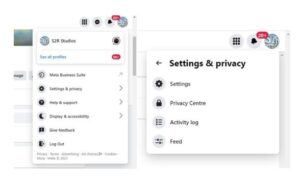
  1. Log in & Access Settings: Go to Facebook, click your profile picture (top right) > Settings & privacy > Settings.
  2. Go to Account Center: Click See more in Accounts Center.
  3. Select Profile: Click on your profile picture, then select your Facebook account.
  4. Find Username: Click Username, then enter your desired name (e.g., john.doe or johndoe123).
  5. Check Availability & Save: Facebook will show if it’s available; click Save Changes or Create Username when ready. 

In today’s digital world, your online presence isn’t optional — it’s essential. Whether you’re a small business, startup, or established brand, having both a website and an active social media presence is crucial for growth, visibility, and credibility.

Let’s break down why both matter — and how you can use them together effectively.

💻 Why Having a Website Is So Important

Your website is your digital storefront. It’s the place customers go to learn who you are, what you offer, and how to reach you.

Here’s what a well-built website does for your business:

  • Establishes credibility: A professional website builds trust. People are more likely to buy from a business with a legit online presence.
  • Provides information 24/7: Customers can find your products, services, pricing, and contact details any time — even when you’re closed.
  • Boosts visibility through SEO: Search engines like Google can drive organic traffic to your site when it’s optimized for relevant keywords.
  • Serves as the hub for all marketing efforts: All your ads, emails, and social posts should ultimately lead back to your website — the place where conversions happen.

📱 Why Social Media Matters Just as Much

While your website is your home base, social media is your megaphone. It’s where people discover you, engage with your brand, and share your story.

Here’s why you need it:

  • Build brand awareness: Platforms like Instagram, Facebook, LinkedIn, and TikTok can expose your brand to thousands of potential customers.
  • Drive traffic to your website: Engaging posts, stories, and videos can attract attention and encourage people to visit your site.
  • Show personality and authenticity: Social media humanizes your brand — it’s where you connect on a personal level with your audience.
  • Offer customer support: Many customers now expect fast replies and service via DMs or comments.

🔗 How to Make Your Website and Social Media Work Together

When used strategically, your website and social media create a powerful marketing ecosystem. Here’s how to sync them:

  1. Link Everywhere
    • Add your website link to all your social media bios.
    • Include social icons on your website header, footer, and contact page.
  2. Cross-Promote Content
    • Share your blog posts, promotions, and product updates from your site on social media.
    • Embed social media feeds or posts on your website for fresh, engaging content.
  3. Use Consistent Branding
    • Keep your logo, color scheme, and messaging consistent across all platforms.
    • This helps people instantly recognize your business wherever they find you.
  4. Leverage Analytics
    • Use website analytics (like Google Analytics) to see which social platforms drive the most traffic.
    • Adjust your posting strategy based on what converts best.
  5. Create a Conversion Funnel
    • Use social media to attract and engage.
    • Use your website to convert and sell.
    • For example: a Facebook ad → leads to a landing page → offers a free download → captures an email → nurtures through your website blog or newsletter.

💡 Pro Tips for Success

  • Post consistently: Set a schedule and stick to it — consistency builds trust.
  • Focus on storytelling: People connect with stories, not sales pitches.
  • Optimize for mobile: Both your website and social content must look great on phones.
  • Encourage engagement: Ask questions, run polls, and reply to comments quickly.
  • Keep learning: Trends and algorithms change — stay updated to keep growing.

🚀 Final Thoughts

Your website and social media aren’t separate tools — they’re partners in your brand’s success. A strong, professional website gives your business credibility and a home base, while social media drives visibility, engagement, and traffic.

When you connect them strategically, you’ll build a seamless online presence that attracts, engages, and converts your audience into loyal customers.


  • Builds brand recognition
  • Strengthens audience trust
  • Increases engagement and visibility
  • Supports algorithm performance
  • Enables strategic storytelling over time


BRAND RECOGNITION

consistent visuals - social media - s2r studios

  • Consistent visuals make your brand instantly recognizable
  • Repetition creates familiarity and recall
  • Example: Think of brands like Nike or Coca- Cola — you know their voice instantly


BUILDING TRUST

BUILDING TRUST - SOCIAL MEDIA - PRO TIP - S2R STUDIOS

  • Regular posting = reliability
  • Consistent tone and message = credibility
  • Followers feel they ‘know’ you and your brand


Algorithm Advantage

ALGORITHMN ADVANTAGE-SOCIAL MEDIA PRO TIPS-S2R STUDIOS

  • Social platforms and Google reward consistent posting
  • More activity = better reach and impressions
  • Consistency gets and keeps) your brand at the top of feed and searches

Tips for Creating Invoking Content

creating content-pro tips-social media-s2r studios

  • Know Your Audience- Understand their needs and interests
  • Tell Stories- Connect emotionally, not just transactionally
  • Provide Value- Educate, entertain, or inspire through blogs, pro tips, testimonials
  • Use Strong Visuals- Eye-catching, on-brand, and high-quality
  • Engage Actively- Reply, comment, share and build your community by doing these things

Maintain Consistency

maitain consistency pro tips - social media - s2r studios

  • Use a content calendar
  • Plan posts around most current info, holidays and seasons
  • Schedule with tools like Hootsuite or Facebook Meta Business
  • Review analytics regularly and adjust accordingly

Takeaway

takeaway - social media pro tips - s2r studios

  • Consistency = Trust + Recognition + Growth
  • Start small, stay steady, and evolve with your audience

Social media has become an integral part of our daily lives. It allows us to connect with friends, share experiences, and stay updated with the latest news. However, the ease of sharing has also led to a new challenge: the temptation to post too much. While it’s essential to stay connected, over posting can have unintended consequences. Here’s how to find a healthy balance.


1. Dilution of Quality Content
When you post too frequently, the quality of your content can suffer. Focus rather on quality over quantity. Share thoughtful, well-crafted posts that provide value to your audience. This approach will help you stand out and keep your followers engaged.


2. Audience Fatigue
Even your most loyal followers can experience fatigue if they’re bombarded with too many posts. Be mindful of your posting frequency. Consider spacing out your posts and using scheduling tools to ensure you don’t overwhelm your audience.


3. Perceived Inauthenticity
When every moment is shared, it can give the impression that you’re more focused on your online persona than genuine interactions. Maintain authenticity in your posts. Share personal insights and moments that truly matter to you, rather than posting for the sake of it. Authenticity fosters deeper connections with your audience.


4. Negative Impact on Mental Health
The pressure to constantly post and keep up with social media trends can lead to stress and anxiety. Set boundaries for your social media usage. Take regular breaks and engage in offline activities that bring you joy and relaxation. It’s okay to unplug and prioritize your mental well-being.


5. Privacy Concerns
Sharing too much information about your personal life can compromise your privacy and security. Be cautious about the information you share online. Use privacy settings to control who can see your posts.


6. Impact on Personal Relationships
Spending excessive time on social media can detract from real life interactions. Prioritize face-to-face interactions and meaningful conversations. Use social media to enhance your relationships, not replace them. Make a conscious effort to be present in the moment with those around you.


Finding the Right Balance
Achieving a balanced approach to social media posting requires self-awareness and intentionality. Here are some tips to help you find that balance:

1. Set Goals- Clear goals will guide your posting strategy.

2. Plan Your Content- This helps maintain consistency without overwhelming your audience.

3. Engage Authentically- Focus on meaningful interactions rather than the number of posts. Respond to comments, join conversations, and build a genuine community.

4. Monitor Your Activity- Keep track of your social media usage and its impact on your life. Adjust your habits if you notice negative effects.

5. Stay Informed- Stay updated on social media trends and best practices. Platforms and users evolve, so it’s important to adapt your approach accordingly.


Social media offers awesome opportunities for connection and self-expression. But it’s crucial to maintain balance. Be mindful of your posting habits and prioritize quality content. Make the most of social media without falling into the trap of over posting. Sometimes less is more. Meaningful interactions are always more important than quantity.

Two things that go together just like peanut butter and jelly are music and social networking. Social media is a big part of building your fan base, getting others to listen to your music and connecting music lovers with yourself, your band and your music. Additionally, engagement on social media is something every musician should be thinking about and using…consistently. After all, it is one of the most important facets of getting your name out there, whether you are selling music, playing live, or both. It not only helps to develop your fan base, but it keeps your followers in the loop on your new music, where you are playing, and connects you to other musicians in your area and elsewhere. And, one more thing that is invaluable…it lets your followers know your true personality out from behind the microphone or your instrument so they feel like they are a part of your world. So, what can you do to make sure you get noticed online? Here’s some tips:

DECIDE IF YOU NEED HELP WITH YOUR SOCIAL MEDIA PRESENCE:

Are you able to take the time that it requires to consistently engage on multiple social media channels? A winning social strategy calls for consistency as much as it does quality content. So if you’re not sure that you can dedicate the time and focus needed to grow your social audience, then maybe you need to enlist some help.

CHOOSE THE RIGHT SOCIAL MEDIA PLATFORMS

Many feel that the most important social media platforms to identify with are Facebook, Twitter and Instagram…and we agree. However, you should also be wherever you can upload your music to as well: Spotify, YouTube, Soundcloud and TikTok- to name a few.


  • Facebook is the world’s largest social media platform. That’s why you need to be on Facebook. Your Facebook page is the equivalent of what a band had on Myspace back in 2005-2006­ with one added bonus; over 2 billion daily active users…potential followers. So, regularly update your Facebook page.


  • Instagram has the most engaged following, and the high rate of hashtags makes findings by its users easier than most other social platforms. Instagram growth is not easy, but since you are a musician, you probably have exciting, fun photos that you can post, and that’s half the battle. It’s also a good platform for musicians that play live because it’s really easy to snap a photo as your gig goes on. This puts you in a great spot to grow your page organically (spending no money). Share often!


  • TikTok matters because it’s a HUGE platform for videos, and if you are active and and sharing your music, others will interact with you. People are very open minded and opinionated on TikTok. This can be a good thing. You’ll get to see different perspectives on lots of subjects…including music!


YOU TUBE IS ALSO THE MOST SEARCHED SOCIAL PLATFORM FOR MUSIC!

  • DIY Musician says, ”YouTube: the new radio, the new MTV, the new record store, the new music magazine, the new everything.” Traditionally. YouTube was for video sharing and not really a social network. It has however played a huge role in many musical careers. In the days of social media comes “YouTube Musicians” and their music is shared everywhere on social media! Also, Google owns YouTube. Use this platform, and get rewarded on Google Search. Your website will show higher in search results. You do have a website, right?


  • Having a website is an integral part of being found online and works together with your social media presence. You can never say everything there is to say about you and what you have to offer in a Facebook post. But, you can refer people to your website. Having a website also makes you credible, and if your website is banging…you’re cool too!


SHARE GREAT, INTERESTING, FUN CONTENT

Share content that interests you, but also that you feel will interest others. Keep it fresh (it doesn’t always have to be about you specifically). And, make sure that videos and photos you share are of optimal size (all social platforms require different sizes for photo sharing), of good quality- and that means the sound too! Don’t repeat yourself too much either, or you will lose followers. Be funny, engaging, and get people talking with you about current events or pop culture, but try to be neutral on those subject matters.

One of the biggest benefits about social media is that it gives you access real people. When you engage with and respond to your fans and followers they become your mouthpiece! It’s like that old TV commercial….she’ll tell two friends, and he’ll tell two friends, and so on, and so on, and so on.

Just be authentic and you’ll be fine : ) And, if you need help in creating your own website or your band website and building a following on social media, give us a call. S2R Studios has affordable packages that will make your life easier, and your online following grow. Visit us at www.s2rstudios.com.


Social media scams are on the rise. The goal is to hijack your page and steal personal information using deceptive messages and links. One such prevalent scam targets Facebook page owners with fake notifications about their page being disabled.

This alarming new message has been going around Facebook threatening to disable pages if they don’t give personal information to “verify” their account. The message tells users they posted content on their page that misleads users and that their accounts will be disabled if they don’t confirm their account details, including personal information.

They’ll tell you to click on a link, and then ask you to enter personal information to verify that you are really the “actual Facebook user”. You click and then they have your data including your personal info and even your payment method. They will even lock you out of your own account!

You should always be leery of messages from unknown users, especially if they say they are from “Facebook User.”

If you get this suspicious social media message, email or even text claiming to be from Facebook, don’t click any links or attachments. Contact Facebook or check your Facebook settings so see if it really came from Facebook.

The scam starts with an unsolicited inbox message on Facebook claiming to be from “Facebook User” or a similar name. The message states that your Facebook page has been disabled due to various violations. It also may claim you have been warned about these violations in the past, and that immediate action is required to avoid permanent deletion of your page. You will be provided a “Confirm or Verify Account” or an “Appeal Disabling” link to supposedly verify your account in a short deadline. This link will send you to a phishing website impersonating the Facebook login page. If you submit your Facebook credentials here, you have just inadvertently provided these scammers complete access to your Facebook account.

This scam is specifically designed to instill fear and urgency in page owners about losing their invested time and efforts in building their page. The intrigue of a quick solution to recover the disabled page leads victims to act hastily without verifying the message authenticity.


How the Scam Works

Here is a step-by-step explanation of how the “Your Page Has Been Disabled” phishing scam operates on Facebook:


Receiving the Scam Message

You get a message in your Facebook inbox or messages folder from a sender impersonating “Meta Business Support”, “Facebook User”, “Facebook Community Operations” or a similar misleading name.

The message claims that your Facebook page has been disabled as per reports of violations received from one or more people or organizations. The third-party complaint adds perceived legitimacy.

Violations mentioned includes:

-Using someone else’s personal images or content without permission

-Posting misleading, inaccurate, or dangerous information

-Impersonating or misrepresenting a brand’s identity

-Violating Facebook’s community standards

The message may mention that you have already received multiple warnings about these violations and no action has been taken. It states immediate verification is required to avoid permanent deletion of Facebook page.

A sample scam message looks like:

Sender: Facebook User

Your Facebook page [Page Name] has been disabled for multiple violations of Facebook Policies and Intellectual Property Infringement Claims.

As per our records, you have already received multiple warnings about such unauthorized and misleading content on your page. Since no corrective action was taken, your page has now been disabled to stop further violation.

To appeal this disabling and recover your page, you are required to immediately verify your account ownership by clicking on the link below and completing the verification process within the next 24 hours.

Confirm Account Ownership:
https://account-appeals.facebook.com.verify.info/appealpage?ID=029834XX

Failure to verify within this timeframe will result in your page being permanently deleted from Facebook. This action cannot be reversed.

Notice, the message uses an authoritative tone alongside legal and technical jargon to seem legit. The 24-hour deadline pressures you into acting quickly, often without contemplating the validity of the message.


Visiting the Phishing Link

When you click on the “Confirm Account Ownership” or similarly titled link provided, it takes you to a fake Facebook login page, not the real platform. This phishing page looks like the actual Facebook site, including using the same blue color scheme, fonts and the Facebook logo. You’re then asked to enter your Facebook login email and password to begin the account verification process. If you submit this, the scammers capture your login credentials in real-time. In some cases, you may be redirected through multiple websites before landing on the phishing page. This is intended to hide the fake domain name displayed in the address bar.


Submitting Login Details

While on the phishing page, you’ll be asked to enter your Facebook email and password to verify account ownership.

As the site looks like a real Facebook login, most users end up submitting their details without realizing it’s a scam. After capturing your login credentials, you may see “Verification Successful” or “Your Page Will Be Restored” type of message. This is just to provide false assurance, so you do not suspect a scam. Unfortunately, behind the scenes, your credentials have already been stolen by scammers to gain access to your Facebook account along with all your information including your payment method.

Account Takeover

With your username and password, the scammers can now directly log into your Facebook account and page. This gives them full control as if they are you. They can post content, message your connections, see your personal information and more.

Here are some ways your compromised account can be misused:

-Posting clickbait, false news, or malicious links to your page to generate traffic, install malware etc.

-Spamming your friends and contacts with more phishing links or scam messages

-Accessing your profile info and sharing it on the dark web or using it to create fake accounts

-Taking over or deleting your Facebook page

-Removing you and others from having access to page

-Demanding you pay a ransom to regain access to your page

-Commandeering your account’s advertising tools for their own needs including your credit card

-Hijacking your linked apps like Instagram or Messenger

Within days, you may find unauthorized content being shared from your account. At this point, Facebook may also disable your account due to suspicious activity if reported by others.

You have now effectively lost control of your account, your page and your personal information because you accidentally gave away your login details.

What to Do if You Get This Message:

If you receive any unsolicited message about your Facebook page being disabled, here are some tips to protect yourself:

Remain calm – Scammers want you to panic and act without thinking. Carefully analyze the message before proceeding.

Look for typos/errors – Legitimate Facebook messages have no grammar or spelling mistakes generally.

Go to your account directly – Login and check for any page disabling notification from Facebook itself.

Don’t click links – Links lead to scammers being able to steal your info.

Ask for proof – Reply to the message requesting evidence of the disabling reason, warnings sent etc.

Report message – Use Facebook’s “Find Support” option to report the phishing content.

Turn on two-factor authentication as an added security layer protecting your account.

Change passwords – Periodically update your Facebook, email, and other passwords.


What to Do if You Shared Your Login Details

If you already entered your Facebook login email and password on the phishing site before realizing it’s a scam, and you are still able to access your Facebook account, take these steps immediately to secure your account.

Change your Facebook password – Do this via Facebook’s security settings. Choose a strong, unique password.

Enable two-factor authentication –through Facebook’s login approvals settings. This adds a second layer of verification.

Remove devices – Delete any saved browsers or devices through the security settings.

Check login activity – Facebook shows recent logins and locations. Look for any unknown sessions.

Revoke account access – Remove any granted access to third-party apps or sites through Facebook.

Look for unauthorized changes- on your account.

Review page content – Check all posts and info for any signs of unauthorized access.

Look at messages – Open your inbox and messages to see any phishing content sent via your account.

Assess privacy settings – Verify that your profile and privacy settings have not been tampered with.

Change app passwords – Update passwords for Instagram, Messenger, or other connected apps.

Use the Facebook hacked account form – Submit details to get help securing your compromised account.

Report phishing – Flag any scam posts or messages visible to others on Facebook.

Inform contacts – Let your friends list and page followers know about the hacking if needed.


Recovery Process for Disabled Accounts

If your account does get disabled by Facebook due to suspicious behavior resulting from the hacking, here is how to recover it:

Submit ID – Upload a photo ID using the Facebook disabled account form to establish your identity.

Dispute violations – List violations cited in the disabling message and explain how your account was hacked.

Request review – Ask Facebook moderators to review the disabling decision.

Be patient – The review process can take 1-2 weeks in most cases. Check your registered email for updates.

Enhance security – Strengthen account security during the waiting period. Update information and enable two-factor authentication.

Regaining access to a disabled Facebook account requires patience and cooperation with Facebook’s processes. With the right approach, most legitimate accounts can be restored over time.


Facebook Scam Prevention Tips

Here are some general tips to enhance your security and prevent getting scammed on Facebook:

Use strong passwords – Don’t repeat or reuse passwords. Use random strings of letters, numbers, and symbols.

Be wary of unsolicited messages – Don’t open messages from unknown contacts discussing account issues.

Check sender’s details – Verify the email address, profile photo, URL links etc. before responding.

Limit info sharing – Be selective about posting personal data publicly on your profile or page.

Secure connected apps – Use strong passwords and two-factor authentication for associated apps like Instagram too.

Beware of ads/offers – Don’t enter info or download files from ads making unbelievable claims.

Keep software updated – Use the latest OS and browser versions. Install anti-virus programs.

Report fakes – Use Facebook’s reporting tools if you encounter scam profiles or content.

Turn on login alerts – Enable email or SMS notifications for when your account is accessed from new locations or devices.

Stay cautious and attentive- it can help avoid you losing your account to scammers.


FAQ

Is this really from Facebook or is it a scam?

Messages about your page being disabled due to policy violations are almost always a scam tactic. Facebook will directly contact users prior to taking any disabling action.

How did the scammers know my page name?

Scammers target public page owners randomly. They can easily view page names, send messages, and post content.

What should I do if I entered my Facebook password on the phishing site?

Immediately change your Facebook password and turn on login approvals for added security. Also review recent account activity closely for unauthorized changes.

Why is Facebook asking for my password? Should I give it?

Facebook will never ask for your password directly via an inbox message. Any such request is a scam. Never reveal passwords or one-time passwords.

Can my account get hacked just by clicking the link?

Simply clicking won’t compromise your account immediately. But entering login details on the phishing site leads to will get it hacked.

What happens if my account gets permanently disabled?

You can recover a disabled account in most cases by submitting ID proof and disputing the violations cited. This process may take 1-2 weeks.

How long does Facebook take to reactivate a hacked account?

If you report a compromised account with details, Facebook will lock it pending identity verification. After submitting valid ID proof, account access is restored within a day or two.

How can I regain access to my page after getting hacked?

If you act quickly, changing passwords and securing your account should stop the hacking and regain page access. In the worst case, the recovery process may take 1-2 weeks.


LAST THOUGHTS:

The “Your Page Has Been Disabled” Facebook scam can seem quite convincing, but being aware of its red flags can help avoid you becoming a victim. If you do click on a scammers link, take immediate steps to lock down and restore your account. Being cautious and using Facebook’s reporting tools is key to keeping your account and data safe from phishing.

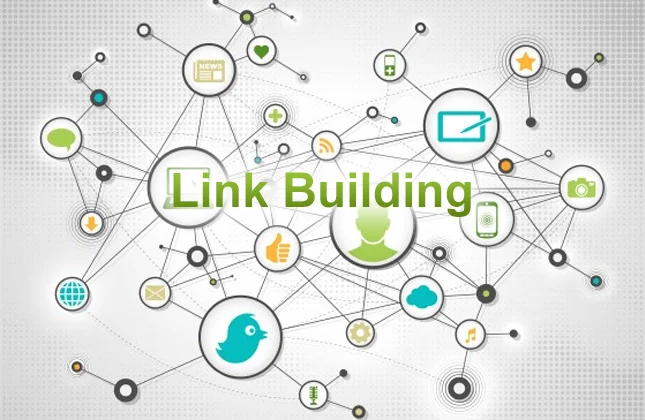
 

When setting up your Facebook business page, you might notice the URL (your username) that is assigned to you is long and doesn’t at all speak to your actual business name. What does this mean to you as a business owner?  It means it’s going to be difficult for people to remember it (you). The initial URL that Facebook assigns a business page includes a variety of numbers after the url (like this) https://www.facebook.com/112266777. You can see that the originally assigned URL has nothing to do with your business. This makes it very difficult for people to find your Facebook page or to be able to tag you in posts. And, if you don’t have a website (which is a whole other blog) and want to give your Facebook info to someone, it will be very hard for you and them to remember. AND… don’t even try and put it on printed materials! It won’t look good at all!

The Good News:

Facebook has an option for creating a shorter, cleaner version of your URL; a custom Facebook business page URL (or, as Facebook calls it, a username). And, while Facebook does have some guidelines for your username, it’s an easy process to obtain a username of our choice OR change your existing username to something memorable. It should definitely be something that reflects the name of your business.

Having a custom Facebook business page URL (username) is an important step in getting you closer to using your social media to the fullest. Choose a username that is as close to your business name as possible so people will remember it easily and will also be able to find you when they search for you or want to tag you. Having an easy, memorable username makes it easier for people to like, follow, share and even possibly become a new customer!  With billions of Facebook users, names get taken quickly, especially if it’s common. If you currently have a Facebook username that is all numbers, or is not remotely close to your business name you can (and should) request a change. Here’s how you do it:

facebook name creation

From there, you can EDIT your username. If it is available you can save it and you are good to go. If it’s not available, you will have to pick another.


To SET UP your custom Facebook custom URL for the first time, follow these guidelines:

  • Go to your business pages Professional Dashboard on the left.
  • Then click on Overview.
  • Click on the right; Your Pages Identity
  • Then click on Create a Page Name
  • Enter your desired custom username
    If the username is available click Create Username. If it is taken, pick another name.

It takes only a few moments to change the trajectory of your Facebook engagement! If you need help, give us a call!

In the ever-evolving digital landscape, social platforms have become a cornerstone of modern communication, connecting people from all over. However, despite the apparent similarities, each social platform has a distinct community with unique preferences, behaviors, and interests. Successful marketers understand that a one-size-fits-all approach does not work when it comes to online platforms. Let’s delve into the importance of tailoring your online marketing strategies to fit the diverse audiences of various social platforms.

Recognize Platform-Specific Demographics:

The first step in effective social media marketing is understanding the demographics of each platform’s users. For instance, Facebook typically attracts an older audience, while platforms like TikTok and Snapchat are popular among younger generations. LinkedIn, on the other hand, caters to professionals and businesses. By recognizing these differences, you can customize your content to resonate with the preferences and expectations of each platform’s users.

Craft Relevant Content:

Different social platforms prioritize different types of content. Instagram revolves around visual storytelling, Twitter favors industry authorities and timely updates, and YouTube on video content. To maximize engagement and reach, tailor your content to match the format that best suits the platform you’re using. This ensures that the message remains consistent while you cater to the unique preferences of each audience.

Embrace Communication Styles:

Social platforms have varying communication styles too. LinkedIn encourages professional networking and business-oriented conversations, while Instagram thrives on visually appealing, casual interactions. Tailoring the tone and language of marketing messages to match these nuances is essential to build genuine connections with users.

Timing is Everything:

The timing of posts can significantly impact engagement rates on social media. The ideal posting schedule varies from one platform to another due to differences in user activity. By analyzing platform-specific data and insights, you can optimize your content release times to reach the largest portion of your target audience.

Utilize Platform Features:

Each social platform provides unique features and tools that can further your marketing efforts. For example, Instagram offers Stories and Reels, while Twitter has polls and trending hashtags. Understanding and leveraging these features will allow you to creatively engage with audiences and stand out in a sea of content.

Build Authentic Relationships:

Authenticity is the cornerstone of successful social media marketing. Different platforms foster distinct levels of authenticity, with some encouraging highly curated content and others embracing a more raw and unfiltered approach. Adapt your strategies to align with the authenticity expectations of each platform’s users.

Summary:

In the realm of social media marketing, acknowledging the diversity of audiences across various platforms is your key to online success. A one-size-fits-all approach will fail to resonate with users and may even alienate potential followers or customers. Recognize unique demographics, communication style, and content preferences of each social platform. Tailor your messages and strategies accordingly and build more meaningful connections with your target audiences. Embrace diversity in social media for an opportunity to tap into the vast potential each platform has to offer.

You publish a post to your blog or website. Then you copy and paste that link to the post across Twitter, LinkedIn, and Facebook. With a few clicks, you put your new content in front of a large, diverse audience. Great strategy right? Not exactly.

Each social media channel has users that exhibit vastly different behavior and preferences for content. As such, you should optimize each social media posting according to the channel you’re posting in. It takes a bit more time, but it’s worth it. But how do you know how to promote for different channels?

Know your social media channels: Follow these guidelines for each social media channel:

Twitter: Short, snappy excerpts of interesting articles, or eye-catching images. Perfect for news and trending topics. Twitter is for the authority on specific subjects.

Facebook: Think social sharing. What will people want to share with their friends? Evoke emotions with clever headlines and short descriptions. Make people want to share what you have to say. And, share among each other.

LinkedIn: Caters to a professional audience. Shine the spotlight on your content to demonstrate usefulness to like-minded individuals and businesses.

Instagram: All about the visual. Your content should have a strong visual component to match your content. If your content does not necessarily have a visual component, create one.

Pinterest: Like a blend of Instagram and LinkedIn. It’s about the visuals, but also focuses on how-to, DIY, and practical advice so people will want to pin your post, which in essence is sharing it.

Post on Your Google Listing: Do you know that you can post on your Google listing? Posting regularly on your Google listing will increase your search results over Google platforms. Google loves when you use their products, and they will reward you for it. Like with all other social media platforms be consistent.

Create a Posting Schedule: Just as it’s tempting to blast your social media channels with the same exact post, you may be tempted to share your post to every channel at once. Instead, consider staggering your content sharing on each social media channel by a couple of days or so to maximize effect. Or, better yet, spend the time to create pertinent posts for each social platform.

Experiment and Optimize Posting: As with any marketing effort, you should be experimenting and optimizing with the frequency and timing of your content sharing. As you build a following, finding the right time to post on social media can make huge differences in the amount of traffic your content gets. There are analytics especially on Facebook that tell you when your fans are online. These are the times to get the most people to engage with your posts.

Track Engagement of Posts: It’s important to look at each post as it’s running, and when it is completed to see if it’s working. Is it getting shared? It is getting engagement? And, if you spend money on ads across social media platforms, make sure you check out the analytics for each ad to see if what you’re spending justifies the money spent. If not, change it up. Concentrate on being interesting, informative, and not too long winded. A good graphic, an interesting video, and a short, clever post will get the attention of those that are just scrolling through.