Archive for the
‘Branding’ Category

Linking to other businesses and brands is a normal part of modern marketing. In fact, strategic partnerships and cross-promotion can help companies grow faster than they could alone.

But there’s a big difference between:

✅ linking to another company on your website
and ⚠️ linking to another company in your Facebook posts.

They may look similar (“it’s just a link”), but they work very differently — and they affect your brand, reach, and customer behavior in completely different ways.

Let’s break it down.

  1. Your Website Is “Owned Space” — Social Media Is “Rented Space”

Your website is your digital home. You control:

  • what users see
  • how long they stay
  • what they click next
  • what actions you ask them to take
  • branding, layout, messaging, and customer journey

So, when you place a link on your website to a partner, supplier, sponsor, or trusted resource, it’s usually intentional and controlled. You’re guiding visitors in a way that can add credibility and build trust.

Example:
A landscaping company links to the manufacturer of the lawn equipment they use.
That makes sense. It supports expertise. It shows transparency.

Facebook is different.

Facebook is not your platform — it’s an algorithm-controlled feed designed to keep users scrolling. When you post a link on Facebook, you’re basically playing by Facebook’s rules.

  1. Website Links Build Authority — Facebook Links Often Reduce Reach

On your website:

Linking to credible, relevant sources can:

  • show professionalism
  • strengthen trust with customers
  • improve SEO when done strategically (especially if you’re linking to authoritative resources)
  • make your business look connected and established

Website links can act like “proof” that your company is part of a bigger ecosystem.

⚠️ On Facebook:

Facebook generally dislikes posts with outbound links because they send people off the platform. That can lead to:

  • reduced visibility
  • lower engagement
  • fewer people seeing the post in the first place

That’s because the Facebook algorithm wants users to stay on Facebook. If your post encourages people to leave, Facebook is less likely to show it to others.

So linking another company in a Facebook post can unintentionally:

  • weaken your distribution
  • make the post “underperform”
  • waste your marketing efforts
  1. Website Links Support the Customer Journey — Facebook Links Interrupt It

Your website is built for conversion. A visitor is already in “business mode.”

A Facebook user is in “feed mode.”

On your website, linking to another company can be part of a thoughtful customer experience:

  • “Learn more about our supplier”
  • “See the partner warranty policy”
  • “View this certification”

Those links can support confidence and decision-making.

On Facebook, a link to another company does something else:

It gives your audience a “doorway” to leave your page — and possibly never return.

Once someone clicks out, they might:

  • get distracted
  • follow the other company
  • engage with their content (and more importantly buy from them not you)
  • forget about your original post
  • stop scrolling your page entirely

You’ve now traded attention to your brand for attention to theirs.

  1. Social Media Is About Brand Memory — Not Traffic Leaks

Your Facebook presence should mainly focus on:

  • building familiarity
  • showcasing your work/products
  • earning trust over time
  • staying visible and top-of-mind

That works best when your content keeps people interacting with you:

  • comments
  • shares
  • follows
  • reactions
  • DMs

When you link to another company, you dilute that- not what you want if your goal is growth.

  1. Linking to Another Company on Facebook Posts Can Accidentally Advertise for Them

This is a big one.

When you link someone else in your Facebook content, you’re effectively giving them free marketing.

You’re giving them:

  • impressions
  • clicks
  • potential followers
  • brand exposure
  • credibility-by-association

But are they returning the favor?
Are you getting leads from it?
Or are you just building their online presence while slowing down yours?

What Should You Do Instead?

If you want to acknowledge or credit another company without hurting your reach, try these better alternatives:

Option A: Mention them without linking

Instead of linking their website or page, just mention them in the content of your post. Don’t share their posts that include a link to their services or products- both of which YOU may offer as well!

Option B: Tag them in a comment

Post your content normally, then tag them in the content or better yet, add the link/tag in the first comment. This often protects reach while still giving the reference.

Option C: Use your website as the “hub”

Post something like:

“Full details on our website.”

Then your website can include links to partners in a controlled way.

Option D: Cross-promote only when it benefits your audience

If you link to another company, make sure the purpose is clear:

  • It improves customer experience
  • It answers a question
  • It supports trust and transparency

Otherwise, keep the attention on your brand.

Bottom Line

Linking to another company on your website is often good:
Because you control the experience, build authority, and guide visitors strategically.

Linking another company on your Facebook posts is usually not:
Because it reduces reach, interrupts engagement, and directs your audience away from you — often benefiting the other company more.
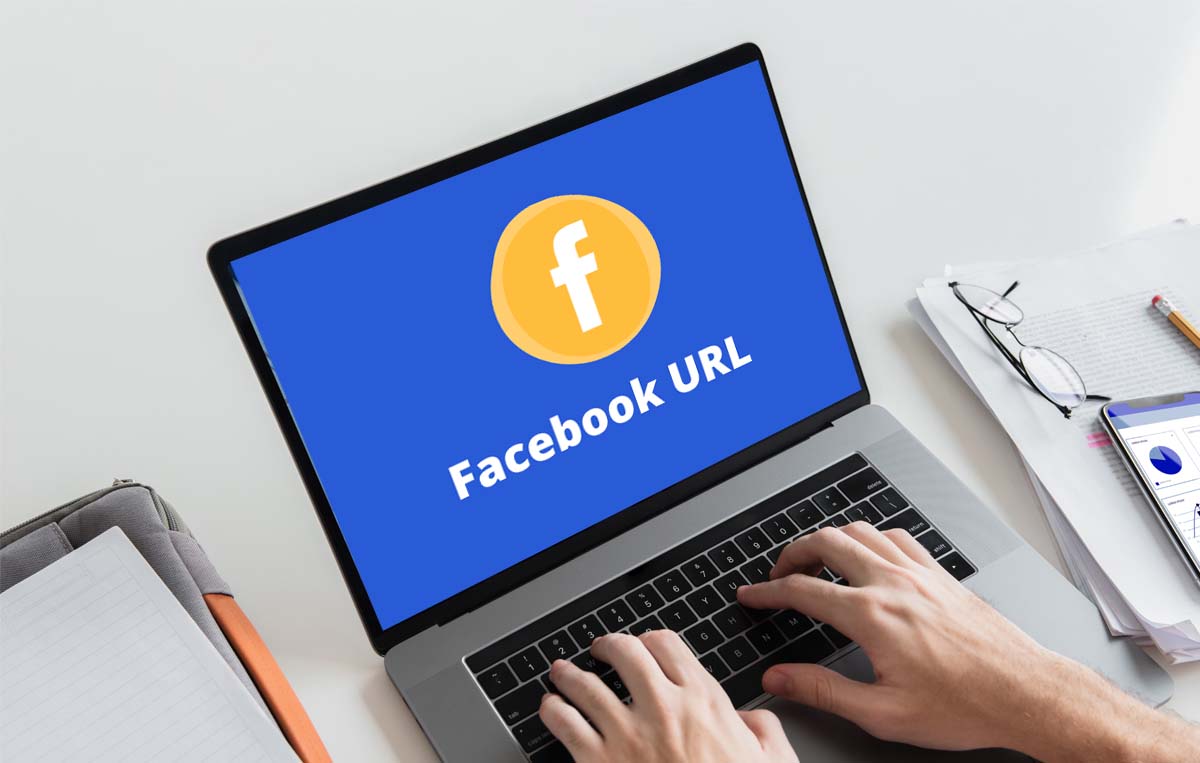
In a digital world overflowing with content, standing out is no small task—especially on social platforms like Facebook. Whether you’re a business, a creator, or a public figure, your Facebook URL (also known as a username or unique URL) plays a powerful role in how people find, remember, and connect with you online.

Unlike the default string of random numbers Facebook assigns to new pages, a unique URL looks clean, professional, and intentional. And that small change can lead to a big impact.


1. It Makes Your Brand Easier to Find

A unique URL like facebook.com/YourBrandName is far easier for users to type, remember, and share than a long numeric link. Clear URLs make it effortless for customers or followers to search for you and recognize your brand instantly.

Think of it as digital real estate: the easier it is to find your address, the more likely people are to visit.


2. It Builds Credibility and Professionalism

A generic URL can make a page look incomplete or unofficial. In contrast, a customized url signals that:

  • You take your online presence seriously

  • You are an authentic or established brand

  • Your page is trustworthy and maintained

This matters even more for small businesses and creators competing with larger brands. A clean URL can subtly—but meaningfully—boost your credibility.


3. It Strengthens Brand Consistency Across Platforms

If your Instagram, Twitter, TikTok, and website all use a similar handle, having the same name on Facebook keeps your branding cohesive. Consistency helps people recognize you across platforms and prevents confusion about which accounts are official.

It also makes cross-promotion smoother. You can confidently tell customers:
“Follow us everywhere at @YourBrandName.”


4. It Improves Search Visibility

While a URL alone won’t magically boost your SEO, it does help search engines and social algorithms associate your page with your brand name. When someone searches for your business on Google or Facebook, a clean, keyword-aligned URL increases your chances of appearing higher in results.

This is especially important for local businesses and creators trying to build visibility in a competitive space.


5. It Makes Sharing and Promotion Easy

Marketing becomes much cleaner with a short, memorable URL for sharing”

Users are far more likely to click—or retype—a simple URL than a complicated string of characters.


6. It Helps Prevent Impersonation and Brand Confusion

Claiming your unique URL early helps protect your brand identity. Once someone else takes a username, it’s difficult (and sometimes impossible) to reclaim.

Securing your URL reduces the chances of:

  • Fake accounts mimicking your brand

  • Fans following the wrong page

  • Competitors (intentionally or not) creating confusion

Think of it as locking in your online trademark.


Summary

A custom Facebook URL may seem like a small detail, but it’s one of those small details that can dramatically enhance your brand’s image, discoverability, and professionalism. It simplifies marketing, supports SEO, and strengthens your identity across the web.

If you haven’t secured your unique Facebook URL yet, now is the perfect time—it’s quick, free, and delivers long-term value for your digital presence.

HERE’S HOW TO SET UP FOR UNIQUE FACEBOOK URL

  1. Log in & Access Settings: Go to Facebook, click your profile picture (top right) > Settings & privacy > Settings.
  2. Go to Account Center: Click See more in Accounts Center.
  3. Select Profile: Click on your profile picture, then select your Facebook account.
  4. Find Username: Click Username, then enter your desired name (e.g., john.doe or johndoe123).
  5. Check Availability & Save: Facebook will show if it’s available; click Save Changes or Create Username when ready. 

In today’s competitive music industry, it’s more important than ever to have a strong brand. A well-crafted identity (brand) will help you stand out from the rest, connect you with your target audience, and help build a loyal following.

It’s all about creating an image. An identity. A signature that stands out and gets results.

So, what exactly is branding?
And, how can you create a strong brand for your music business?

Branding is the process of creating a unique identity for your business. It involves developing a name, a logo, and visual style that reflects your music, your personality and your overall message. A strong brand helps you connect with your target audience and create a lasting impression.

Here are a few tips on how to build your brand:

  1. Start with your music. Your music is the foundation of your brand. So, it’s important to make sure it’s something you’re proud of and that represents you well. If you’re not sure where to start, consider taking some time to experiment with different genres and styles until you find something that feels authentic to you.
  2. Develop a strong visual identity. Your logo, website, social media, and other marketing materials should all reflect your brand identity. Choose colors, fonts, and images that represent your music and your personality in one cohesive message. Yes… if you’re trying to brand yourself and your business, ALL of this plays a key part. 
  3. Tell your story. People connect with stories, so don’t be afraid to share yours with your audience. What made you start playing music? What inspires you about making music? What are your goals for your music career? What do your songs mean to you? Sharing your stories will help people connect with you on a more personal level, making them more likely to support you and your music.
  4. Be consistent. Once you’ve developed your brand, it’s important to be consistent with your messaging and branding across all channels. This means consistent colors, fonts, and images on your website, social media, and marketing materials. It also means staying true to your brand voice and message in all of your communications.
  5. Be authentic. The most important thing is to be authentic. People can spot a fake from a mile away, so don’t try to be someone you’re not. Be true to yourself and your music, and your fans will appreciate it.

Branding is an ongoing process. It takes constant effort and creativity to show yourself and your music in the way you want to be portrayed. Don’t expect to create a perfect brand overnight. It takes time, commitment and knowledge.

We work with all types of musicians to help them develop their brand. From website design, to social media management to video editing, demo and press pack production and more! If you need help putting it all together We’re not only web designers and online marketers, we are musicians! We can help you discover your brand. Give us a call!


Your logo and branding creates the identity of your business.

It should communicate what your business is about faster and better than any other form of advertising. Also, what it looks like should invoke a good feeling about doing business with you. It should make your business instantly recognizable and create top-of-mind awareness.

 Branding your business is key for success in a competitive marketplace. A strong brand helps you stand out from the crowd, attract new customers, and build loyalty you’re your existing ones.

Here are some ways that you can brand your business:

  1. Define your target audience. Who are you trying to reach with your brand? Once you know who your target audience is, you can tailor your branding to appeal to them.
  2. Create a strong identity. A memorable one… a lasting impression. Your identity is all the things that make your brand unique, like your logo, colors, fonts, and tone of voice. Make sure your brand identity is consistent across all of your marketing materials and social platforms.
  3. Tell your story. What makes your business different from the competition? What are you passionate about? How do you work? Your brand story should be authentic and engaging, and it should most importantly resonate with your target audience.
  4. Be consistent. Once you’ve defined your identity and your story, make sure you’re consistent with them across all of your marketing materials and channels. This will help create a strong and recognizable brand.
  5. Measure your results. It’s important to track the results of your branding efforts so you can see what’s working and what’s not. This will help you make necessary adjustments to your branding strategy over time.

Branding your business is an ongoing process, but it’s one that’s worth the effort. By following these tips, you can create a strong brand that will help you achieve your business goals.

Additional tips for branding:

  • Use social media to connect with your audience. Social media is a great way to build relationships with your target audience and to share your story.
  • Get involved in your community. Sponsor local events, donate to charities, and get involved in local organizations. This will help you build goodwill and support. It will also gain you top-of-mind-awareness. When someone needs the services you offer, they will remember you!
  • Partner with other businesses. Partnering with other businesses can help you reach a wider audience and grow your brand.
  • Attend industry events. Attending industry events is a great way to network with other businesses and learn about new trends.
  • Stay up-to-date on the latest branding trends. The world of branding is constantly evolving, so it’s important to always be “in the know.”

Work on your brand identity consistently (every day). Use these tips. A strong and memorable brand will ultimately help you achieve your goals.

Need help? We’ll be your brand whisperers!  Your entire digital footprint- from your logo to your website and everything in between needs to work together. We will help you have a well-rounded, strong brand that will work for you! Call us today.

We focus on creating a logo and branding for your business that gives you an identity no one can match! It’s all about creating an image. A lasting impression. A signature that stands out and gets results.